
Dragon Fishing: Gameplay, RTP & Beginner Guide
Dragon Fishing is an arcade-style fishing game built around aiming, choosing targets, and managing the resources shown on screen. To get started, learn what each control does, review any round and payout information, and practice in demo mode when it is available.
This page gives a practical overview of the play loop, the limits of RTP information, and a measured first-session routine. The exact mechanics depend on the version you open, so in-game instructions always take precedence.
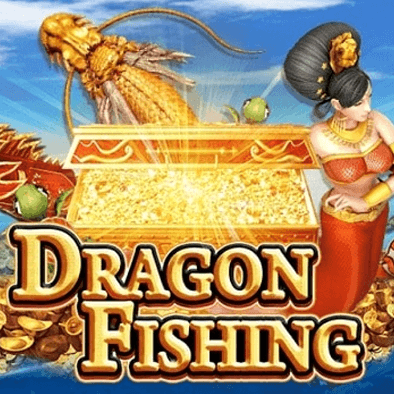
Begin with observation rather than speed: identify the aiming and firing controls, note how resource use is displayed, and set a time and spending boundary before moving beyond a no-cost practice mode.
Explore more fishing titles
These related fishing games offer other themes to compare. Their mechanics may differ, so check each title’s own help panel and use its displayed rules rather than assuming a shared payout or control system.


What is Dragon Fishing like to play?
At its core, Dragon Fishing is a target-and-resource arcade experience: the player follows moving targets, chooses when to act, and watches how the interface reports each action. It is not a guarantee of a particular catch or reward; every result follows the game’s own mechanics and chance model.
The first useful task is to learn the control layout. Look for the aim direction, action button, any resource or shot-level indicator, and the result display. A clear view of these elements helps you understand why a choice used a particular amount and what the game counted as an outcome.
The themed title may present aquatic targets and larger encounters, but the presence of a prominent target should not be taken as evidence that it is easier or more valuable. Refer to the information panel for any stated target characteristics, special rules, or resource costs. If such details are not provided, do not guess them.
As part of a wider skyph game collection, this fishing title is best approached as a distinct experience. Comparing it with a slot, card, or live-table game is useful for navigation, not for transferring strategies or expected returns from one format to another.
You can also look at the cascading-symbol format in Sweet Bonanza 1000 as a separate example of how a game may explain its features. Its rules are unrelated to fishing mechanics, so read its own instructions independently.
How to begin a Dragon Fishing session
A careful first session follows a simple sequence: read the controls, practice the basic loop, observe resource changes, and stop at a limit you set beforehand. The sequence is more useful than trying to predict which target or moment will produce a result.
1. Read the game information
Review the rules, any target guide, control instructions, and displayed payout or resource notes before taking an action.
2. Practice the controls
If a demo is available, use it to locate aiming, firing, and adjustment controls. Practice is for interface familiarity, not a forecast of paid results.
3. Observe one action at a time
Notice the selected resource level and the result shown after each action. Avoid rapid repeated inputs until you understand how the display responds.
4. Use a firm stop point
Set a session duration and affordable entertainment budget in advance. Stop when either boundary is reached, and never chase earlier losses.
The skyph club experience on a phone may arrange controls differently from a wider display. Before starting, check that the action controls and resource indicators are visible and easy to use; mobile convenience does not change the rules or odds.
For a different quick-play format, Dice Duet has its own set of controls and instructions. Treat it as a separate game rather than applying fishing tactics to a dice title.
What RTP can tell you about Dragon Fishing
RTP is a theoretical long-run measure under specified conditions; it does not predict the outcome of a short session or guarantee that a player will receive a stated return. This guide does not assert a numeric RTP for Dragon Fishing, so check the exact game’s current information panel for any published figure and its assumptions.
When reviewing a return figure, first confirm that it belongs to the version and mode you are viewing. Then check whether the rules define different resource levels, features, or other conditions that affect the calculation. A percentage copied from another fishing title—or from an unrelated game—cannot stand in for this title’s own information.
RTP is most useful as a comparison measure when the rules, mode, and calculation assumptions are genuinely comparable. It is not a timer for a payout, a target to reach, or evidence that a special target is “due.” A brief run can differ substantially from any theoretical average.
A practical analysis separates the published theoretical measure from the decisions you control: reading rules, selecting a cautious limit, and stopping on time. No RTP figure removes variance, and no strategy can guarantee a win. These principles apply whether you browse through the skyph app or a desktop view.
Milestones for learning Dragon Fishing
Useful progress is measured by understanding the game, not by a streak or a promised reward. A beginner can treat the following milestones as a checklist for familiarity and control.
These are personal learning checkpoints, not official in-game achievements or guarantees. If the game provides its own progress indicators, review their definitions in the game rules and keep them separate from financial goals.
For another fishing style, explore Bao Chuan Fishing through the site’s game entry point. Its interface and progression may differ, so begin by reading its own instructions.
Beginner notes for Dragon Fishing
The most common early mistake is acting before understanding the resource cost and feedback shown by the game. Slow down, test controls in practice mode where offered, and read the complete rules before committing to any wager.
- 1 Do not assume a larger target is easier to catch or guarantees a larger outcome; rely only on explicit game information.
- 2 Confirm how each action affects the displayed resource balance before repeating it.
- 3 Use a demo to learn the interface, not to infer future results or prove a betting system.
- 4 Keep a fixed entertainment budget and time limit; never borrow or increase stakes to recover a loss.
Visitors looking for a skyph Dragon Fishing introduction should use the on-screen help as the final reference for controls and version-specific rules. This overview explains general orientation only. A Dragon Fishing Demo, when offered, can help you navigate safely before making any decisions about paid play.
If you are looking for the official mobile information page, read Skyph Download and check its device and access guidance. It does not change what the game’s own rules say.
Common Dragon Fishing questions
A quick Dragon Fishing session recap
Keep the process simple: understand the rules, learn the controls, observe resource use, check official return information, and finish when your preset limit is reached. This approach supports informed choices without suggesting that any action can control chance-based results.
- 1Read instructions and check the exact game version.
- 2Practice in a demo, if provided, to understand navigation.
- 3Set a budget and time boundary before any session.
- 4Stop on schedule and treat outcomes as uncertain.
Explore the skyph app only through the site’s normal access route, and verify game details on the title you choose. Responsible play means treating games as entertainment, never as a source of income.